June 23, 2026
Window glazing plays a crucial role in both residential and commercial properties, serving not only as a barrier against the elements but also in improving energy efficiency. Its lifespan can be influenced by a variety of factors, from environmental conditions to the quality of installation. Understanding these factors can help property owners maximize the durability and effectiveness of their windows, ensuring better performance and reduced costs long-term. The different types of window glazing, from single to triple, also offer various benefits and longevity, each suitable for specific needs and climate conditions. This article delves into these aspects, providing insights and practical advice on maintaining and choosing the right window glazing, including when window repair may be the smarter choice.
1. Understanding Window Glazing
1.1 Definition and Purpose
Window glazing refers to the glass component of a window system. It serves the fundamental purpose of allowing light into a building while providing protection from the external environment. Glazing is essential for insulation, playing a significant role in maintaining temperature and reducing energy costs. It is also involved in the aesthetic appeal of buildings, offering both transparency and an opportunity for architectural expression. Additionally, glazing acts as a barrier to external noise, enhancing the overall comfort level within a property, especially when timely window repair keeps the system intact.
1.2 History and Evolution
The concept of window glazing has evolved significantly over centuries, from the use of paper and cloth to modern energy-efficient glass. In ancient times, windows were merely small openings to let light in, but the development of glass manufacturing led to their transformation. As technology advanced, different types of glazing such as laminated and tempered glass emerged, offering improved safety and strength. Recent innovations include smart glazing technologies that adapt to environmental changes, reflecting the ongoing development in this field. This evolution highlights the importance of window glazing in the context of building design and efficiency, while also showing why window repair should address both glass and seal performance.
1.3 Types of Window Glazing
Window glazing comes in various forms, each with distinct characteristics and benefits. Single glazing involves a single pane of glass and is the least efficient option, often found in older buildings. Double glazing includes two panes of glass separated by an air or gas-filled space, significantly improving insulation. Triple glazing takes this a step further with three panes, offering superior energy efficiency and soundproofing. Additionally, there are specialty glazing options such as laminated, low-emissivity, and smart glass, each with unique properties for tailored applications.
1.4 Role in Energy Efficiency
One of the primary benefits of effective window glazing is its contribution to energy efficiency. Properly glazed windows help maintain indoor temperature by reducing heat transfer, thereby lowering heating and cooling costs. Advanced glazing technologies, like low-emissivity glass, further enhance this efficiency by reflecting heat back into the room while letting light pass through. This results not only in cost savings but also in reduced environmental impact. As buildings seek to reduce their carbon footprint, energy-efficient glazing has become a vital component in sustainable architecture.
2. Factors Affecting the Longevity of Window Glazing
2.1 Climate and Weather Conditions
Climate plays a pivotal role in the longevity of window glazing, with exposure to harsh weather often accelerating deterioration. Regular exposure to UV rays can degrade the materials used, impacting their performance and lifespan. Areas with extreme temperatures may experience more rapid expansion and contraction of glazing materials, leading to wear and structural failure. Moisture, in the form of precipitation or condensation, can also penetrate seals and frames, leading to further damage. Therefore, choosing the right glazing based on local climate conditions is crucial for maximizing its lifespan and reducing the need for frequent window repair.
2.2 Quality of Materials
The durability of window glazing also hinges significantly on the quality of materials used during its manufacture. High-quality glass and sealing materials are designed to withstand various environmental stressors, from UV exposure to temperature fluctuations. Inferior materials, on the other hand, are more prone to cracking, fogging, and losing their insulating properties over time. It is critical to ensure that the glazing materials meet industry standards and are certified for safety and performance. Investing in superior materials can lead to long-term savings and better performance, even when future window repair becomes necessary.
2.3 Installation Techniques
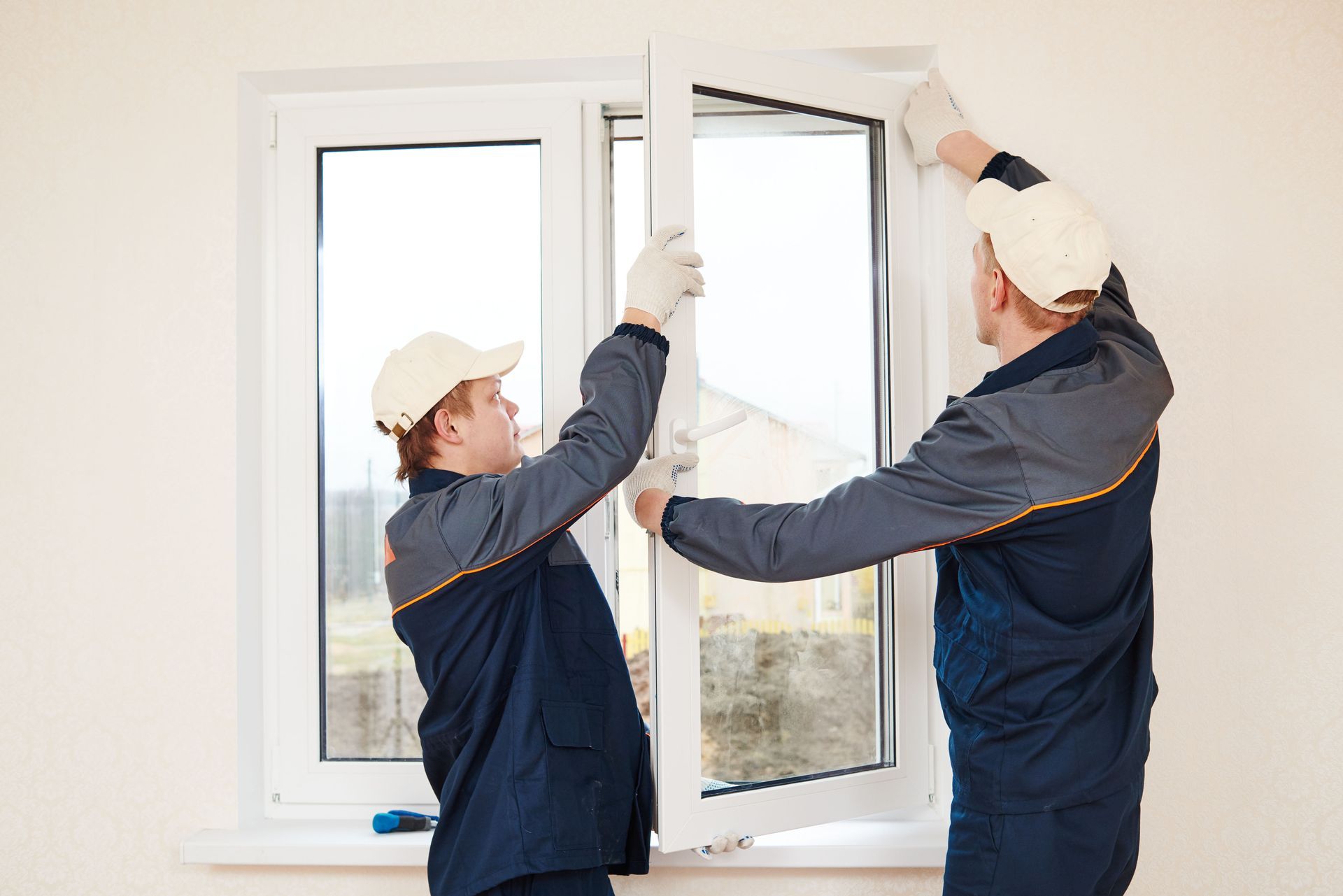
Proper installation is key to extending the lifespan of window glazing. Even the highest quality glazing can fail prematurely if not properly installed or if installed with inadequate seals and supports. Techniques that ensure a tight fit, appropriate handling, and correct sealant application are essential. Professional installation not only guarantees these methods are applied but also includes warranties that provide peace of mind. Careful installation minimizes the potential for drafts, moisture ingress, and other issues that could shorten the glazing’s life.
2.4 Maintenance Practices
Regular maintenance is crucial for maintaining the integrity and longevity of window glazing. This includes routine cleaning and inspection to identify any signs of wear or potential issues. Prompt repairs of damaged seals or cracks can prevent further deterioration and energy loss. Ensuring that window frames and sashes are in good condition is also important, as they support and protect the glazing itself. Effective maintenance practices extend the glazing’s lifespan, preserving its effectiveness and appearance while making window repair easier to manage before damage spreads.
3. Signs of Window Glazing Deterioration
3.1 Visible Wear and Tear
Visible signs of wear and tear on window glazing are often the first indication that the glazing may need attention or replacement. This includes cracks, scratches, or chips on the glass surface, which can compromise structural integrity. Such visible damage may result from impacts, environmental conditions, or improper cleaning methods. Over time, minor damage can lead to more severe issues, such as pane breakage or seal failure. Regular inspections can help identify these problems early, allowing for timely window repair and maintenance.
3.2 Reduced Insulation Efficiency
A decrease in insulation efficiency is another sign of window glazing deterioration, often noticeable through rising energy bills. If the glazing no longer maintains indoor temperatures effectively, it may indicate compromised seals or damaged panes. According to Today's Homeowner, window glazing can last up to 30 years, but signs of aging may begin if not properly maintained. This loss of efficiency can be exacerbated in single-glazed windows or those subjected to extreme conditions. Repairing seals, replacing weatherstripping, or upgrading to more efficient glazing types can help restore insulation performance, and window repair may be enough when the frame remains sound.
3.3 Condensation Issues
Condensation between the panes of double or triple-glazed windows is a common sign of glazing failure. This occurs when the seal holding the panes together breaks down, allowing moisture to seep in. Condensation not only indicates compromised insulation but can also lead to further deterioration like mold growth or frame damage. Addressing condensation involves resealing or replacing the glazing unit to restore its insulating properties. Identifying condensation issues promptly can prevent more extensive damage and sustain the glazing’s lifespan through targeted window repair.
Window glazing has a major impact on comfort, energy efficiency, noise control, and long-term property performance. By understanding how glazing materials, installation quality, weather exposure, and maintenance habits affect lifespan, property owners can make smarter decisions about care and replacement. Small issues like drafts, condensation, cracked seals, or visible glass damage should be addressed before they lead to larger problems. Professional window repair can help restore performance, extend the life of the window system, and protect the value of the property. With regular inspections and timely maintenance, window glazing can remain effective, attractive, and dependable for many years. Call NB Glass today for more.