October 7, 2026
Explore the modern solution to bathroom elegance and functionality with a detailed look at glass shower doors. Discover the key aspects that make them a popular choice for homeowners, designers, and architects. This article will guide you through everything you need to know about glass shower doors, from their materials to installation, benefits, and maintenance.
1. Types of Glass Shower Doors
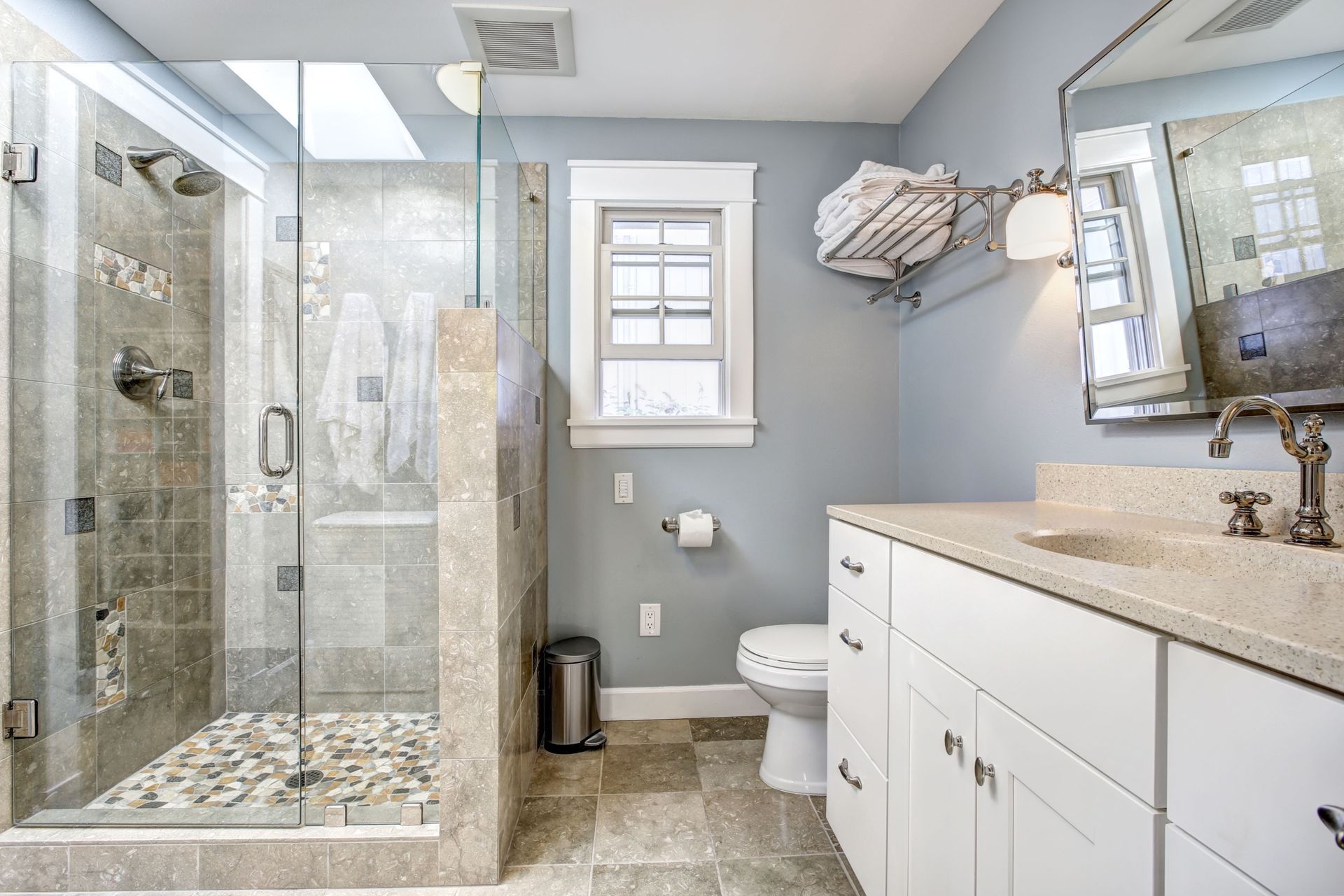
Glass shower doors are available in various types, allowing homeowners to choose the perfect style for their space. The most basic division is between frameless and framed shower doors. Frameless doors offer a sleek look with minimal hardware, enhancing modern bathroom aesthetics. On the other hand, framed doors have metal edges that provide additional stability and design accents. While some people choose framed doors for traditional appeal, frameless doors are ideal for unobstructed, contemporary design.
Another distinction is between sliding and hinged doors, catering to different bathroom layouts and user preferences. Sliding doors are space-efficient, conveniently gliding along a track, making them suitable for smaller bathrooms. Hinged doors, however, open outward, offering a more traditional feel and easier access for cleaning. Deciding between these types hinges on space and personal taste, contributing to the overall functionality of the bathroom. Both designs integrate well with frameless and framed options, offering extensive flexibility.
Clear and frosted glass options present another choice for customization based on privacy needs and style. Clear glass enhances openness and light distribution, ideal for showcasing intricate tile work or decorative features. Frosted glass, meanwhile, offers privacy without sacrificing natural light, ideal for shared bathrooms. Additional options like textured or patterned glass further extend personalization possibilities.
2. Materials and Manufacturing
The choice of materials in glass shower doors significantly impacts their durability and safety. Tempered glass is the industry standard due to its strength and safety features. Unlike regular glass, tempered glass shatters into small, less dangerous pieces if broken, reducing the risk of injury. This characteristic makes it a preferred option for high-traffic and family bathrooms. The thickness of the glass—ranging from 3/8 to 1/2 inch—also contributes to its stability and longevity.
The tempering process is crucial for manufacturing quality glass shower doors. During this process, glass is heated and then rapidly cooled to increase its resistance to impacts and temperature fluctuations. The result is a product that withstands daily use within humid and frequently changing temperature environments of bathrooms. Strict safety standards govern this process, ensuring that the end products are both safe and reliable. Always check for compliance with local codes when selecting a glass shower door.
Furthermore, frame materials can vary, adding another layer of customization. Common materials include aluminum, stainless steel, and sometimes brass, each offering different aesthetic and durability characteristics. Eco-friendly manufacturing practices are increasingly adopted, focusing on recycling and reducing waste during production. This is particularly important to environmentally conscious consumers seeking sustainable building alternatives.
3. Installation Considerations
Installing glass shower doors is a critical part of the renovation that requires careful planning and execution. One major decision is whether to pursue a DIY installation or hire professionals to do the job. DIY installation can be cost-saving but requires precise measurements and some degree of expertise. According to HomeGuide, shower door installation takes one to four hours, depending on the type and job complexity.
Accurate measurement is paramount when installing glass shower doors. It ensures a proper fit and functionality, preventing future issues like leaks. Professional installers typically offer this service, bringing expertise in handling irregular surfaces and non-standard dimensions. Proper fitment aligns with straightforward operation and extended durability of the shower doors. Therefore, any measurements should be double-checked to account for variances in wall straightness and alignment.
Various hardware and accessories accompany shower door installations, contributing to both function and aesthetics. Handles, hinges, and brackets come in numerous finishes like chrome, brass, or matte black, allowing for customization to suit bathroom decor. Waterproofing is another crucial consideration, demanding high-quality seals and proper alignment for effective operation. Frequently, misleading alignments lead to leaks, prompting the need for meticulous installation.
4. Benefits of Glass Shower Doors
One of the most appealing benefits of glass shower doors is their aesthetic contribution to bathroom design. They provide a sleek and stylish look that complements both modern and traditional designs. Unlike opaque shower curtains or solid shower enclosures, glass allows for a visual extension of space, making even small bathrooms seem larger. This openness is particularly advantageous in compact bathrooms seeking an airier feel.
Space optimization is another significant advantage of glass shower doors. By eliminating the need for a separate curtain area, they reduce footprint congestion, offering a more streamlined layout. Sliding glass doors maximize these benefits, particularly in tight spaces, by not impeding exterior room clearance. Furthermore, they enhance the ergonomic and spatial elements within the bathroom, aligning with modern design principles. Whether upgrading an existing bathroom or designing anew, glass doors effectively utilize available space.
In addition to space optimization, glass shower doors greatly enhance bathroom lighting. The transparency of glass brightens the space by allowing both artificial and natural light to penetrate throughout. Such improvement is particularly significant in windowless bathrooms that rely heavily on lighting. Enhanced lighting conditions can affect overall mood and increase safety by reducing shadows and dark corners. Consequently, glass shower doors contribute to a functional and visually appealing environment.
5. Maintenance and Care
Caring for glass shower doors is an important consideration for maintaining their appearance and functionality. Regular cleaning prevents buildup that could detract from their clear appearance. Standard cleaning techniques involve using non-abrasive, glass-friendly products regularly to remove soap scum and prevent mold. Incorporating a routine cleaning schedule ensures long-term clarity and a new-like appearance of the glass surface.
The prevention of hard water stains is a frequent concern with glass shower doors. Such stains develop from mineral deposits left behind after water evaporation. Techniques to prevent these stains include the use of water-repellent sprays or installing water softeners in homes with hard water issues. Wiping down glass doors after each use with a squeegee or a dry cloth significantly reduces residual water that forms stains. This proactive approach is effective in retaining the pristine look of the glass surface.
Even with regular maintenance, glass shower doors can sustain chips or scratches over time. While minor scratches might buff out with specific glass polish, more severe damage may necessitate professional assessment. Repair kits are available for small chips and scratches, though it's crucial to follow instructions carefully for effective results. Periodically inspecting the glass for signs of damage ensures early intervention before issues escalate.
6. Cost and Value Considerations
Investing in glass shower doors involves estimating both initial costs and long-term savings. While upfront costs can be higher compared to traditional showers, the durability and low maintenance often justify the investment. Glass shower doors enhance home appeal, potentially increasing resale value by providing a modern, high-end feature. Long-lasting materials work with energy-efficient lighting benefits, translating to reduced upkeep expenses over time. Thus, weighing initial investment against future savings favors informed purchasing decisions.
Price determinants include the type of glass, door configuration, customization level, and installation costs. Frameless designs generally cost more than framed designs due to higher glass quality and engineering procedures. Customizing elements like design patterns, glass texture, and hardware finishes contribute further to cost variability. Analyzing these factors helps identify feasible options within budget constraints. Prospective buyers should consider both functional needs and aesthetic preference when assessing costs.
Exploring budget-friendly alternatives does not mean compromising quality or style. Options are abundant, including semi-frameless doors, which blend characteristics of both designs. Manufacturers providing comprehensive warranties also reflect product trustworthiness, supporting economical aspects. Moreover, the long-term value, highlighted by better energy use, and potential property valuation impact of glass showers contribute significantly to their desirability.
Glass shower doors are not only a functional bathroom component but a design feature that can elevate the overall aesthetics. By understanding the types, materials, installation, benefits, maintenance, and cost factors, you can make an informed decision that seamlessly matches your style and practical needs. Embrace the elegance and functionality of glass shower doors to enhance your bathroom experience. Contact the experts at NB Glass today to schedule a consultation and bring your custom shower vision to life.